

If you’re about to undergo a cancer operation, you’re likely wrestling with fear, uncertainty, and a thousand questions. What will actually happen in the operating room? How should you prepare? What will recovery feel like? This guide is here to help you feel more grounded as you face this big step. It breaks down what to expect before, during, and after surgery, and shares practical ways to get ready, physically, emotionally, and mentally. While it’s no substitute for personalized medical advice, it can help you ask better questions, understand your options more clearly, and feel a little more in control as you walk this path.

1. Understanding Why Surgery May Come First
Surgery often plays a key role in treating cancer. Surgeons aim to remove as much of the tumor and surrounding tissue as possible. This might be:
- Curative: The goal is to eliminate the cancer, often when the tumor is localized.
- Debulking (Cytoreductive): Shrinking a large tumor to improve the effectiveness of chemotherapy or radiotherapy.
- Palliative: Alleviating symptoms, like obstruction or pain, when a cure isn’t possible.
Different cancers require different surgical approaches. For instance:
- Solid organ tumors (e.g., breast, colon, lung) — often involve removing the tumor plus surgically safe margins; sometimes, lymph nodes are removed (lymphadenectomy).
- Soft-tissue masses may need wide excision.
- Metastasectomy — removal of isolated metastatic lesions (e.g., in the lung or liver).
Your pathology report, imaging (CT, MRI, PET-CT), and surgeon assessment will inform whether surgery is best and the extent of resection needed.
2. Preoperative Consultation: What to Expect
You’ll typically meet your surgical oncologist (cancer surgeon), anesthesiologist, and possibly other specialists, depending on your cancer type and general health. These visits cover:
A. Review of Medical and Imaging Data
The surgeon will confirm the diagnosis, review your scans and biopsies, and explain precisely what tissues will be removed. Ask:
- What structures are involved?
- Will lymph nodes or adjacent tissues be removed?
- Will reconstruction be needed (e.g., mastectomy with flap or implant, partial lung resection, ostomy after colon surgery)?
B. Discussion of Risks and Benefits
They’ll talk you through potential outcomes:
- Chance of cure, survival statistics, and margin status (clear vs positive).
- Risk of complications: bleeding, infection, injury to adjacent structures, and need for blood transfusion.
- Functional impact (e.g., nerve injury, organ removal, impact on bowel/bladder).
C. Anesthesia and Medical Clearance
Your anesthesiologist will evaluate your heart, lungs, medications, and allergies. You may require:
- Lab tests: CBC, electrolytes, and coagulation.
- Imaging: Chest X‑ray or ECG for major procedures.
- Assessment of heart/lung risk—maybe stress ECG, pulmonary function tests.
- Optimize chronic conditions (e.g., diabetes, hypertension).
D. Consent Form and Pre‑Op Instructions
You’ll sign consent forms (confirming understanding of benefits, risks, alternatives). You’ll receive guidance on eating/drinking, medication adjustments (e.g., anticoagulants), and fasting before surgery.
3. Preparing for Surgery: Physical, Nutritional, Emotional
A. Physical Preparation
- Stay active: Engage in light walking or follow tailored exercise protocols under the guidance of a healthcare professional. Cardiorespiratory fitness helps recovery.
- Stop smoking: Tobacco disrupts wound healing and increases pulmonary complications. Surgeons often insist on a month of smoke-free.
- Limit alcohol: Heavy drinking raises perioperative risks.
B. Nutrition
Nutrition fuels surgical recovery. Consult a dietitian if you experience weight loss or a loss of appetite. Emphasize:
- High-protein meals (eggs, lean meats, fish, legumes).
- Vitamins and minerals—but avoid high-dose unapproved supplements close to surgery.
C. Optimizing Chronic Medical Issues
Diabetes, heart disease, respiratory conditions, and hypertension should be under tight control. Immunosuppressed people may need adjustments. You may also require pre-surgical dental clearance in some instances.
D. Emotional and Psychological Preparation
Surgery is as much mental as physical. Steps include:
- Meeting the cancer team and getting realistic expectations.
- Asking about recovery time, expected hospital stay, and scar size.
- Clarifying reconstruction/rehabilitation options.
- Engaging mental health support, peer support, or pastoral care.
- Preparing your environment—e.g., installing handrails, arranging for post-surgical help.
4. The Day of Surgery
Typically, early morning is surgery time. Here’s what unfolds:
A. Admission & Check-In
You’ll go to a preoperative unit. Nurses confirm ID, surgery site, and mark it. You may change into a gown and receive an IV line.
B. Final Checks & Anesthesia
The team checks your ID, allergies, and procedure. Anesthesia monitors (O2, ECG, BP). The anesthesiologist explains: general (you’re unconscious), local/regional (e.g., spinal block), or a combination. You’ll get medications to relax.
C. During the Operation
Depending on cancer type and complexity, surgery may last 1 to 6+ hours.
- Surgeons work under magnification, image guidance, and sometimes in combination with IT systems (e.g., robotic-assisted prostatectomy, thoracoscopy).
- They send samples (sentinel nodes or margin biopsies) to pathology for immediate assessment during surgery.
d. Post-Surgery Transition
In most cases, you’ll go to a recovery area (PACU) for recovery after surgery. If an extensive operation, you might go to the ICU. You’re monitored for pain, breathing, and bleeding.
5. Immediate Postoperative Period
A. Pain Control
Pain is expected, but controllable. Methods:
- IV opioids (e.g., morphine, hydromorphone) with careful monitoring.
- Patient-controlled analgesia (PCA) allows self-administered doses within safe limits.
- Regional blocks or epidurals (e.g., for abdominal, thoracic surgery).
- Multimodal pain management: combining acetaminophen, NSAIDs, gabapentin, nerve blocks, etc.
Tell your care team if pain is poorly controlled or too sedating.
B. Early Mobilization & Respiratory Care
Within 24 hours:
- Sitting upright, taking deep breaths with an incentive spirometer.
- Walking short distances to prevent blood clots and boost digestion.
C. Drains and Tubes
Expect:
- Drains for fluid/blood (e.g., Jackson-Pratt).
- Catheters for urinary flow post-pelvic surgery.
- NG tubes for stomach decompression after bowel surgery.
They’re removed when safe, usually after a few days.
D. Nutrition & Gut Recovery
- Clear liquids on Day 1 or later.
- Progress to solid food as you pass gas and tolerate intake.
- Bowel recovery often requires patience; use stool softeners as guided.
E. Mobilization & Therapy
Registered physical and occupational therapists will help you regain function and independence, especially for limb or trunk changes or stoma care.
F. Watch for Complications
The team monitors for:
- Fever, abnormal bleeding, redness.
- Respiratory issues (pneumonia).
- DVT signs—leg swelling, pain.
- Leaks from intestinal repairs.
- Changes in urination, confusion, rash.
6. Interpreting Pathology & Next Steps
Once the tumor is out, it goes to pathology for analysis:
- Margin status: ‘Negative’ means no cancer at the edge; ‘Positive’ may require further surgery or adjuvant treatment.
- Lymph node involvement indicates metastatic spread via the lymphatic system.
- Tumor grade and subtype.
- Additional genetic markers include Estrogen/progesterone and HER2 in breast cancer, MSI in colon cancer, and PD-L1.
Review these findings with your oncologist to decide on:
- Adjuvant therapy (chemo, radiation, targeted agents, immunotherapy).
- Surveillance frequency.
- Reconstruction or rehabilitation planning.
These decisions are based on the tumor’s behavior, stage, and your overall health.
7. Recovery Timeline & Expectations
Recovery length depends on procedure complexity. Here’s a rough guide:
Recovery Stage Time Frame Focus
Hospital stay 2–10 days. Manage pain, resume eating, begin mobilizing, manage drains/tubes
Early home recovery 1–4 weeks: Build stamina, wound healing,and follow-up visits
Intermediate 4–12 weeks Return to key activities, wound closure, therapy
Long-term convalescence 3–6+ months Full stamina, strength, emotional adaptation, therapy (lymphedema, prosthesis training)
If adjuvant therapy is needed, it often starts 4–8 weeks after surgery—patients need adequate recovery for chemo or radiation tolerance.
8. Common Emotional & Practical Challenges
A. Emotional Adjustment
Dating beyond active treatment—some call this ‘survivorship’—often brings emotional turbulence like survivor’s guilt, anxiety around recurrence (“scanxiety”), altered body image, or sexual function.
Professional support options include:
- Psychologist, psychiatrist, or counselor specializing in cancer.
- Support groups—either hospital-based or online.
- Emotional outlets: journaling, spiritual care, mindfulness, art/music therapy.
B. Social & Financial Realities
Surgery may require time off work, impacting income, insurance, and productivity. Practical issues like transportation, home care, and childcare may arise.
Action items:
- Ask our social worker about financial aid and leave-of-absence supports.
- Tax deductions for medical travel and expenses can help.
- Explore charitable assistance programs for bills and groceries.
C. Relationships & Caregiving
Roles may shift: spouses, friends, and children may take on caregiving. This can bring meaningful bonding but also tension over emotions, privacy, and fatigue.
Navigate it by:
- Clearly defining roles and preferences.
- Scheduling check-ins—overshare less, express needs gently.
- Caring for caregivers—emotional refresh breaks and their own support groups.
9. Preparing a Recovery Plan
Anticipate needs ahead of time:
- Home modifications: wheelchair access, grab bars, and seating.
- Equipment & supplies: pain meds, anti-nausea, dressing kits, supplies for drains or stoma care.
- Meal prep: frozen meals and easy-to-prepare staples during low appetite periods.
- Transportation: Plan rides for follow-ups or therapy sessions.
- Therapy schedule: Physical, occupational, speech—depending on surgery.
- Adjuvant therapy prep: Pump access port (e.g., PICC) for chemo, or scheduling radiation planning.
10. Advocating for Yourself: Questions to Ask
Here’s a suggested roadmap of questions to bring to your care team:
- What’s the primary goal—curative or life-prolonging?
- What exact procedure, incision, and reconstruction will I have?
- Estimated hospital stay and recovery timeline?
- What pain meds and side effects will I use?
- What physical activity is allowed and when?
- Who helps with drains, wound care, and stoma?
- Any diet restrictions or supplements?
- When will pathology results arrive? Next steps after surgery?
- What long‑term support is available: prosthetics, therapy, and mental health?
- Can I participate in any clinical trials?
11. Special Considerations for Common Cancer Surgeries
A. Breast Cancer
- Lumpectomy vs mastectomy: Lumpectomy removes the lump with a margin; mastectomy removes all breast tissue. Axillary lymph node removal may follow.
- Reconstruction: Immediate or delayed options using implants or flaps (e.g., DIEP).
- Lymphedema risk after lymph node removal can be reduced with compression sleeves and physical therapy.
B. Colorectal Cancer
- Surgery may involve partial colon or rectum removal, plus nearby lymph nodes. Anastomosis restores gut continuity, or a temporary/permanent ostomy may be needed.
- Return of bowel function can take days to weeks.
- Pelvic nerve disruption may cause sexual or bladder changes; nerve-sparing techniques are sometimes used.
C. Lung Cancer
- Resection may include lobectomy, segmentectomy, or pneumonectomy.
- Pulmonary breathing exercises and incentive spirometry are critical in the early postoperative period.
- Air leaks or fluid drainage need close attention.
D. Prostate Cancer
- Radical prostatectomy may be robotic, laparoscopic, or open, removing the prostate, some seminal vesicles, and often pelvic lymph nodes.
- Side effects include urinary incontinence and erectile dysfunction. Pelvic floor therapy and penile rehabilitation are often recommended.
12. Technology & Emerging Trends in Cancer Surgery
- Minimally Invasive Surgery (e.g., laparoscopic, thoracoscopic) leads to smaller incisions, quicker recovery, and less pain.
- Robotic Surgery offers high-precision tools (e.g., for prostate or gynecological cancers).
- Sentinel Lymph Node Biopsy allows less invasive staging, reducing the risk of lymphedema (used in breast, melanoma, and gynecologic cancers).
- Intraoperative Imaging & Margin Assessment (using frozen sections, fluorescence path) leads to more accurate excision.
- Enhanced Recovery After Surgery (ERAS) protocols—evidence-based steps to optimize outcomes, reduce complications, and shorten hospital stays.
13. When Complications Happen: What You Should Know
A. Common Post-Op Complications
- Wound issues: Infection, seroma, dehiscence—welder necessitating antibiotics or re‐closure.
- Respiratory: Atelectasis-managed with breathing exercises.
- Cardiac: Post‑op hypertension, arrhythmias—monitored and treated.
- Thrombosis: DVT or pulmonary embolism—prevented via early mobilization, compression, and anticoagulants.
- Ileus: Prolonged bowel sluggishness—managed conservatively.
B. Recognizing Warning Signs
Contact your care team for:
- Fever > 100.4 °F (38°C).
- Worsening pain or redness around the incision.
- Leg swelling, chest pain, sudden breathlessness.
- Sudden confusion, significant fluid leakage.
- Burned/cold limb or increased numbness/ weakness.
C. Re-hospitalization Policy
Some readmissions occur. On-site nurse hotlines and care coordinators can guide you. Communicate any concerning changes early.
14. Follow-Up and Surveillance
Your plan might include:
- Surgical follow-ups—typically within 1–2 weeks.
- Wound checks, suture/staple removal.
- Begin adjuvant therapy when ready.
- Ongoing surveillance—imaging and tumor markers to detect recurrences.
Annual evaluations have been standard for a few years; then, spacing increases.
15. Life After Surgery: Survivorship and Beyond
Surviving cancer surgery marks a pivotal life transition. Embrace this stage:
A. Physical Recovery
- Rebuild stamina via gentle exercise.
- Manage lymphedema, nerve pain, and scar mobility with PT/OT.
- Rehabilitation may include prosthetics or devices (for limb loss or breasts).
B. Emotional Resilience
- Acknowledge the emotional changes: anxiety, PTSD, re-learning identity.
- Use self-care: mindfulness, yoga, creative outlets.
- Maintain peer and family connections.
C. Finding Meaning and Purpose
- Some survivors take on advocacy, fundraising, mentoring, or lifestyle shifts.
- Career or education paths might change—seek vocational rehab if needed.
D. Preventing Recurrence & Promoting Wellness
Follow healthy guidelines: a balanced diet, an active life, maintaining an ideal weight, limiting alcohol, and quitting smoking. Regular check-ups are key.
Final Thoughts
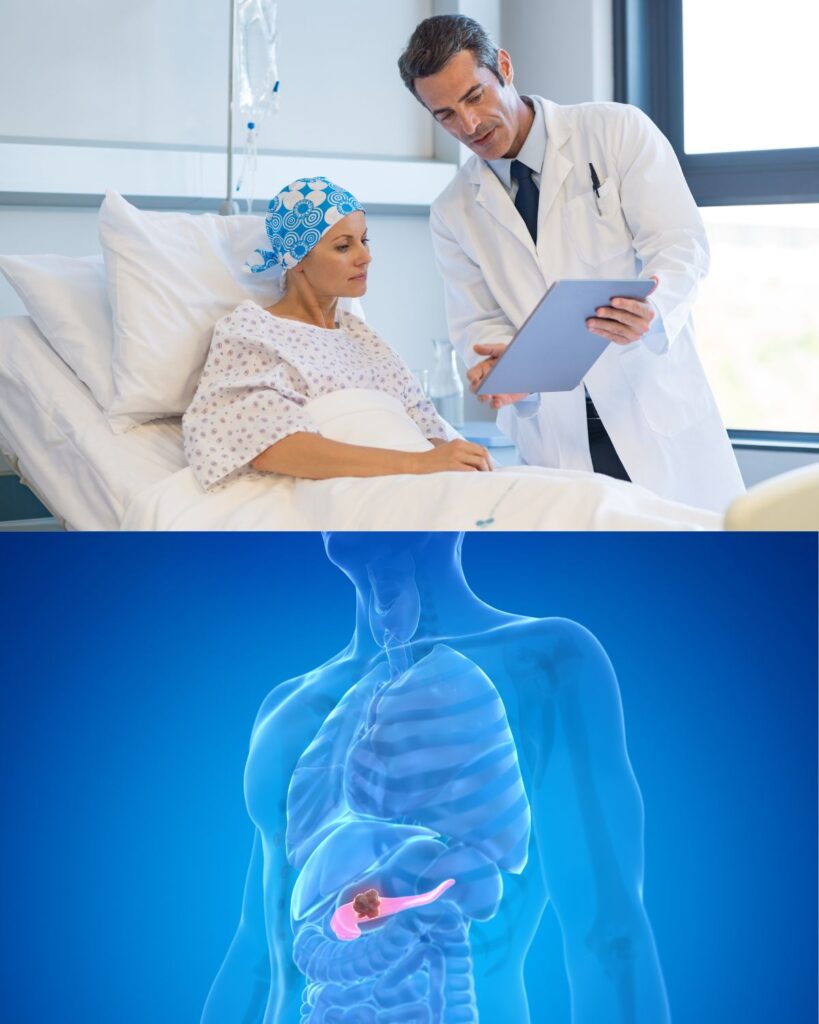
Navigating a cancer operation is daunting. But knowledge is power. By understanding:
- Why is surgery recommended
- How to prepare
- What the hospital journey looks like
- How to manage recovery
- What emotional and practical changes might arise
Use this guide to shape your questions, chart next steps, access resources, and find calm amid chaos. Above all, know this: you’re not alone. You, from your care team to loved ones, peer support networks, and community resources, have a support web expanding around you. Let it be your anchor as you step forward.