

Why Early Cancer Detection Can Mean Less Surgery—Or None at All
When it comes to your health, timing can mean everything, especially with diseases like cancer. Catch something early, and your entire treatment plan might look completely different. We’re talking fewer invasive procedures, shorter recovery times, and in some cases… no surgery at all. That’s the power of early detection.
Over the past decade, advances in screening, imaging, and even blood-based tests have completely changed how and when we find serious conditions. What used to require major surgery can now sometimes be handled with a simple outpatient procedure or just monitored closely over time. And while the idea of early detection sounds obvious, the real science and patient outcomes behind it are actually pretty incredible.
From Reactive to Proactive
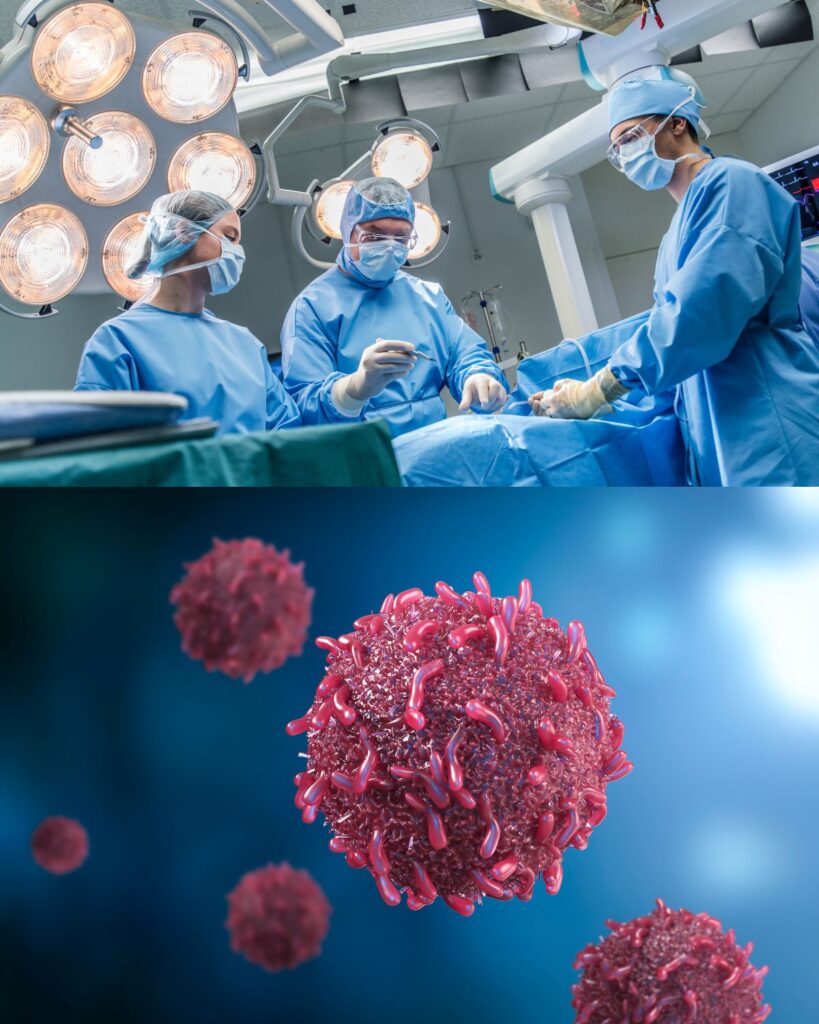
Traditionally, cancer treatment follows a reactive model: symptoms emerge, the patient seeks medical help, a diagnosis is made, and treatment begins, often with surgery. But what if we could detect disease much earlier, before symptoms appear, and treat patients with less invasive or even non-surgical interventions?
Over the past few decades, this paradigm has shifted dramatically. Widespread screening for diseases like colorectal, cervical, and breast cancers now detects disease or precursors before they advance. According to a 2015 National Cancer Institute review, for cancers such as cervical intraepithelial neoplasia and colorectal polyps, identifying and removing precursors has significantly decreased invasive cancer incidence over time. The earlier the detection, the less aggressive the surgical approach often needs to be.
Fewer Deaths, Less Invasive Treatment
Large population studies continue to show that early cancer detection can meaningfully reduce deaths. A 2023 model-based analysis published in the British Journal of Cancer estimated that adding multi-cancer early detection, or MCED, blood tests to standard screening could reduce five-year cancer mortality by approximately 17 to 21 percent per 100,000 people screened. In practical terms, that means finding cancers earlier gives more people a chance at survival.
The benefit is not just about statistics. When cancer is detected early, it is often smaller, more localized, and easier to treat. That frequently means less aggressive surgery and better long-term outcomes. For example, in breast cancer, tumors identified at an early stage can often be treated with a lumpectomy, which removes only the tumor and a small margin of surrounding tissue, rather than a full mastectomy. Recovery is typically faster, and cosmetic and psychological outcomes may be improved.
In colorectal cancer, polyps found during a screening colonoscopy can often be removed immediately through a simple polypectomy. Removing these precancerous growths can prevent cancer from developing at all, avoiding major colon surgery later.
In skin cancer, especially melanoma, early detection makes a dramatic difference. Thin melanomas identified at an early stage can often be treated with a straightforward surgical excision. More advanced melanomas, by contrast, may require wider tissue removal, lymph node surgery, or additional therapies. The overall message is clear: when cancer is caught earlier, treatment is often simpler, less invasive, and more successful.
New Tools for Early Detection
Doctors are now developing new ways to find cancer earlier than ever before. Instead of waiting for symptoms like pain, weight loss, or a lump to appear, some newer tests look for tiny warning signs in the body long before someone feels sick. The goal is simple: find cancer earlier so treatment can be easier and more successful.
Liquid Biopsies
A liquid biopsy is basically a special blood test. Instead of looking at your cholesterol or blood sugar, it searches for tiny fragments of genetic material that tumors sometimes shed into the bloodstream. Cancer cells shed small fragments of DNA. With advanced lab technology, doctors can sometimes detect these fragments years before a tumor grows large enough to cause symptoms.
Researchers at Johns Hopkins are studying a blood test that may detect certain cancers up to three years before symptoms appear. In an early study, a few patients who later developed cancer had abnormal blood results years earlier. This does not mean the test catches every cancer, but it shows how early signals might be detected in the future.
Another example is the Galleri test, which looks for chemical patterns in DNA that may suggest cancer somewhere in the body. It can screen for more than 50 types of cancer with one blood draw. Early results are encouraging, but researchers are still studying whether it truly lowers death rates over time. In simple terms, these blood tests are promising tools, but they are still being carefully evaluated.
Multi-Cancer Early Detection Tests
Some new blood tests aim to screen for many cancers at once. Instead of checking just the breast, colon, or lungs individually, these tests look for signs of cancer anywhere in the body. Studies suggest that adding these tests to regular screening could significantly reduce the number of cancers found at late stages. And stage matters. When cancer is found early, it is usually smaller, has not spread, and is easier to treat. Early-stage cancer often means:
• Smaller surgery
• Less need for chemotherapy
• Faster recovery
• Better long-term survival
The key is that earlier detection usually gives patients more treatment options.
Full Body MRI Scans
Another approach is full-body imaging using MRI. These scans look at many organs at once without radiation. In one study of 1,000 people, full-body MRI scans found possible cancers in 41 participants, and about half of those were confirmed with further testing. Some findings turned out to be harmless, a downside of broad screening. Sometimes scans find things that are not dangerous but still cause anxiety or require extra tests. However, these scans have detected cancers that are not typically screened for, such as certain kidney cancers and lymphomas. That shows the potential of catching problems before symptoms begin. More research is still needed to understand who benefits most from this type of screening.
Simple Swab Tests
Some early detection tools are surprisingly simple. In the United Kingdom, researchers are testing a small sponge on a string that a patient swallows for a brief period. It collects cells from the esophagus and helps detect Barrett’s esophagus, a condition that can lead to cancer. If caught early, abnormal cells can be treated with minimally invasive procedures instead of major surgery. That is the real advantage of early detection: treating problems before they become serious.
How Early Detection Changes Treatment
Finding cancer early does more than improve survival rates. It often completely changes the type of treatment a patient needs. When a tumor is discovered at an early stage, it is usually smaller, more localized, and has not spread. That gives doctors more options. Treatment can often be less aggressive, less invasive, and easier to recover from. In some cases, surgery can be minimized. In others, it may even be delayed or avoided. The earlier the detection, the greater the flexibility in choosing safer, more targeted treatment approaches.
Surgical De-escalation
When cancer is detected at an early stage, it is usually smaller, confined to one area, and has not yet spread to nearby tissues or lymph nodes. Because of this, surgery often does not need to be as large or aggressive. In the past, many cancers were discovered at later stages, when removing the entire organ or performing extensive surgery was necessary to control the disease. Today, earlier detection allows surgeons to remove less tissue while still achieving the same goal, eliminating the cancer.
Smaller Resections
If a tumor is small and confined to one area, surgeons can often remove only the cancer and a small margin of surrounding tissue instead of removing an entire organ. For example, in early breast cancer, many women can have a lumpectomy followed by radiation instead of a full mastectomy. In early lung cancer, a small portion of the lung may be removed rather than an entire lobe. Removing less tissue can preserve more normal function and often leads to a smoother recovery.
Endoscopic Treatment
Some early cancers in the digestive tract can be removed using advanced endoscopic techniques. These procedures use a flexible camera inserted through the mouth or rectum to remove abnormal tissue without making large surgical incisions. This avoids open surgery, shortens recovery time, and reduces the physical stress of treatment.
Active Surveillance
Not every early lesion requires immediate surgery. Some precancerous changes or very slow-growing tumors can be closely monitored with regular imaging or blood tests. This approach, called active surveillance, allows doctors to treat only if the disease shows signs of progression. For the right patient, this can prevent unnecessary surgery and preserve quality of life.
Reducing Surgical Morbidity
When surgery is smaller or avoided, the benefits extend beyond the operating room. Less extensive treatment often means:
• Shorter recovery time
• Lower risk of complications such as infection or bleeding
• Better preservation of organ function
• Less physical stress on the body
• Lower overall healthcare costs
• Reduced anxiety and emotional strain
For many patients, knowing that their cancer was found early and that treatment could be less aggressive makes a major difference physically and psychologically. The overall message is simple: early detection does not just save lives. It can also make treatment safer, less invasive, and easier to recover from.
The Caution Behind Early Screening
New screening tools are becoming more sensitive. That means they can detect smaller abnormalities and earlier biological changes than ever before. But greater sensitivity comes with a tradeoff. When we look harder and test more people, we inevitably find more abnormalities. Some of those findings are dangerous and life-saving to catch. Others, however, may never grow, spread, or cause symptoms during a person’s lifetime. This is called overdiagnosis, detecting a disease that technically exists under a microscope but would never have caused harm if it had remained undiscovered.
The problem is not the diagnosis itself. The problem is what can follow: unnecessary surgery, radiation, side effects, emotional stress, and increased healthcare costs for something that may never have progressed.
Breast Cancer
Research from the UK suggests that slightly less frequent mammograms in women aged 50 to 70 may still achieve outcomes similar to those of annual screening. This is important because screening saves lives, but it can also lead to false positives and treatment for very slow-growing tumors that may never have caused harm. The goal is not to reduce screening carelessly, but to balance benefit and risk. Smarter screening intervals may still catch dangerous cancers early while reducing unnecessary biopsies, surgery, and anxiety.
Colorectal Cancer
Colorectal cancer prevention is one of the strongest examples of early detection working well. Most colon cancers begin as small growths called polyps. During a colonoscopy, doctors can remove these polyps before they ever become cancerous. This simple step often prevents the need for major surgery later. Because of routine screening programs, fewer people need large colon resections, and fewer are diagnosed with advanced disease.
Melanoma
With melanoma, thickness matters. The thinner the tumor at diagnosis, the better the outcome. Public awareness about checking moles has led to more early, thin melanomas being detected. When caught early, treatment usually involves a simple surgical removal in an outpatient setting. This often avoids more aggressive procedures, such as lymph node surgery or advanced therapies. Early detection can mean smaller scars, quicker recovery, and significantly better survival.
Oesophageal Cancer
Oesophageal cancer is often diagnosed late because early stages may not cause clear symptoms. New screening tools, such as sponge-based cell collection tests, can detect precancerous changes earlier. When caught early, abnormal tissue can often be treated with endoscopic procedures rather than major surgery. This dramatically reduces recovery time and surgical risk.
Multi-Cancer Early Detection
New blood tests are being developed to detect multiple cancers from a single sample. These tests aim to find cancer before symptoms begin. If proven effective, they could reduce the number of people diagnosed at late stages when treatment requires large surgeries and aggressive therapies. However, these technologies are still being studied. Researchers are working to confirm whether they truly reduce death rates and avoid major procedures over time.
Final Thoughts

Early detection can lead to less or no surgery by:
- Catching tumors at a size and stage that can be managed with simpler excisions or interventions.
- Enabling removal of precursors, eliminating the need for invasive surgery.
- Supporting surveillance for indolent lesions through watchful waiting, avoiding over-treatment.
- Reducing healthcare costs and surgical burdens.
- Improving patient quality of life and prognosis.
But caution is essential: greater detection capacity comes with increased responsibility to avoid overdiagnosis and overtreatment. Future progress depends on smarter screening that is targeted, validated, and equitable. Early detection isn’t a silver bullet; when applied thoughtfully, it saves lives, operations, and suffering.