
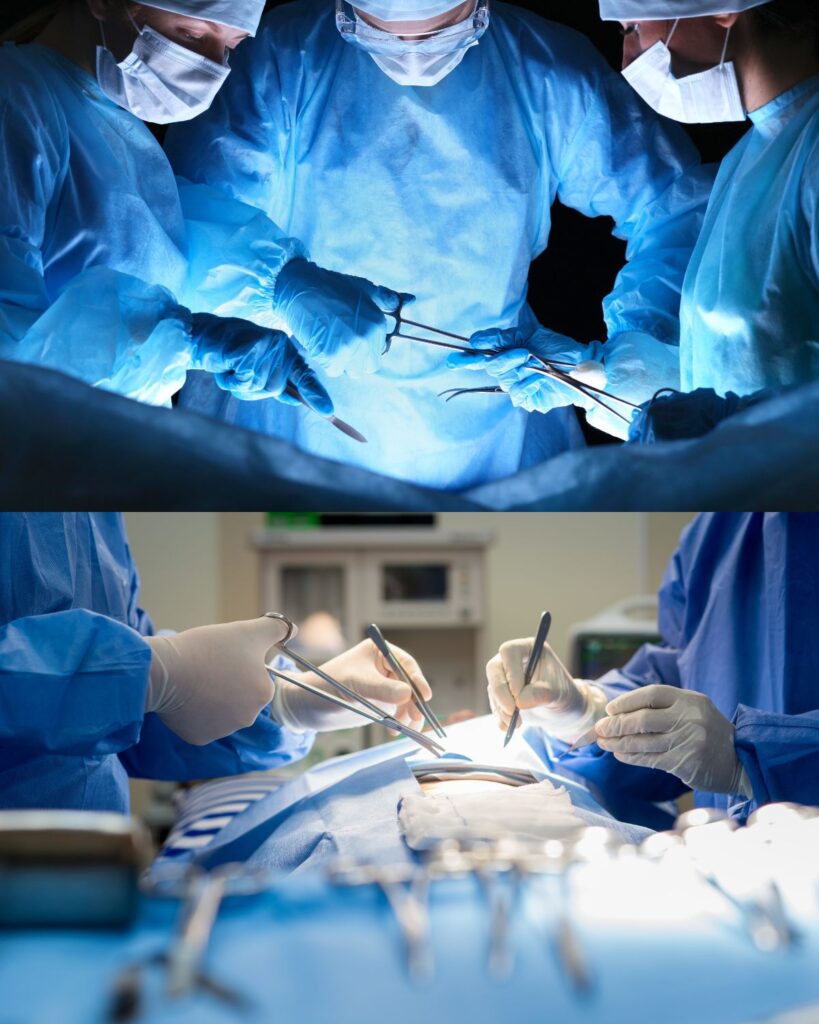
I’ve spent most of my professional life inside an operating room, assisting in some of the most delicate and challenging cancer surgeries you can imagine. From lung resections to complex GI tumor removals, from breast reconstructions to aggressive stage IV debulking surgeries. I’ve seen it all. And over the years, one thing has become incredibly clear: cancer doesn’t just change the patient. It changes everyone around them, family, friends, doctors, nurses, and even the people cleaning the hospital rooms.
These are not textbook lessons. These are truths I’ve learned with my own two hands, through thousands of hours of surgery, sweat, sometimes silence, and sometimes tears. If you or someone you love is facing cancer, I hope these seven insights offer perspective, comfort, and maybe even a little clarity.
1. Cancer Doesn’t Follow the Rules, So You Can’t Either
One of the first things I learned is that cancer does not care about rules. It doesn’t follow patterns. It doesn’t care if you’re healthy, young, or have no family history. I’ve operated on marathon runners and people who never smoked a day in their lives, and yet, there it was: cancer, growing silently for months or years.
As a result, we’ve had to become agile. The best cancer surgeons I know aren’t just technically skilled, they’re flexible thinkers. We may enter the OR expecting one plan and pivot midway because the tumor is larger than scans showed or tangled around a vital structure. You can’t be rigid in this field. You have to listen to the body, not just the scans.
2. Early Detection Still Saves Lives, But It’s Not Foolproof
Everyone says “catch it early,” and it’s true; when we catch cancer early, the odds are almost always better. We can remove a small tumor before it spreads. We can limit the need for chemo. We can preserve more function and quality of life. But here’s the harder truth: early detection doesn’t guarantee survival.
I’ve operated on early-stage cancers that still came back. I’ve seen patients do “everything right” and still face recurrence. That doesn’t mean it’s hopeless, not at all. It just means we have to stop thinking of early detection as a cure. It’s a head start. But cancer is clever. And that’s why ongoing care, follow-up, and lifestyle changes matter just as much.
3. The Toughest People Are Often the Quietest
You learn to read patients differently over time. It’s not always the loudest or most outwardly positive people who handle the process the best. Some of the strongest patients I’ve seen are the ones who sit quietly, take in every word, and just say, “Okay. What’s next?”
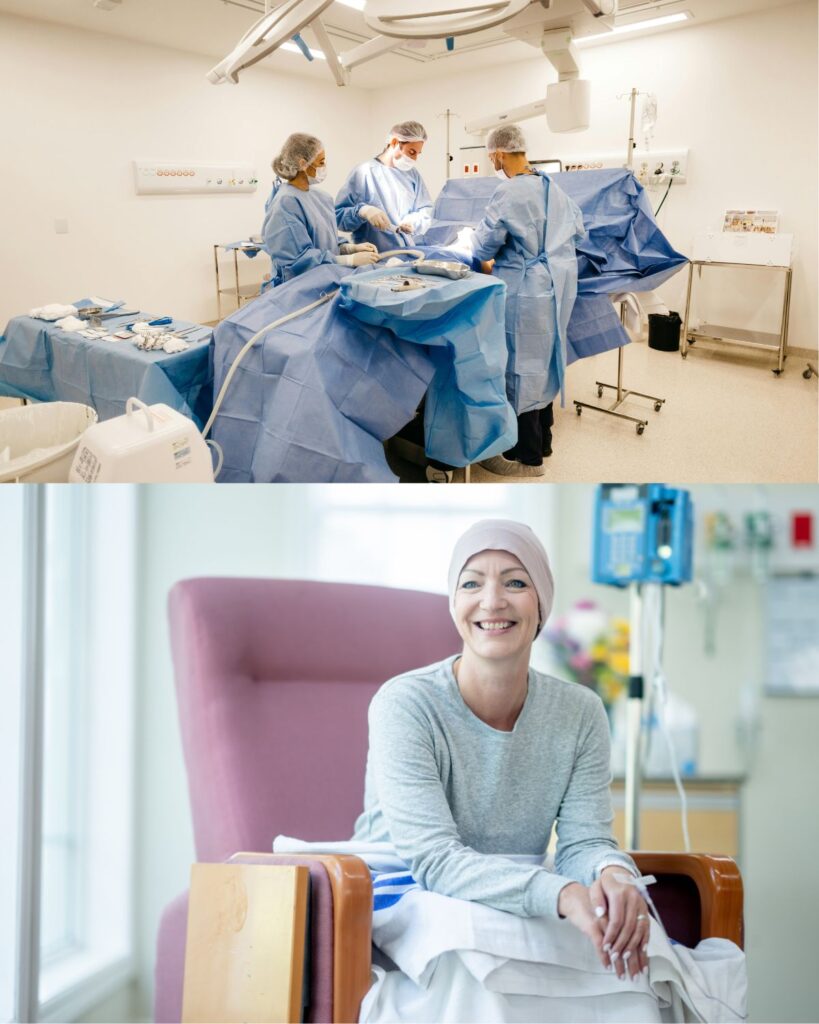
Resilience doesn’t always look like a motivational poster. Sometimes it’s a woman in her sixties, going bald from chemo, smiling and asking how you’re doing. Sometimes it’s a man who hasn’t cried once, until you tell him he’s cancer-free, and then he breaks down for ten straight minutes. I’ve learned to never underestimate the quiet ones. They’re often carrying the most.
4. You Can’t Cut Out the Fear, Only the Tumor
We can cut out tumors. We can remove lymph nodes. We can clean margins and close incisions. But the fear? That stays. Even after a successful surgery, most patients walk away with anxiety they didn’t have before. Every ache, every cough, every headache becomes a question: Is it back?
This is where true healing begins, not just the physical, but the emotional. I always tell patients that the body heals faster than the mind. That’s why follow-up care, support groups, therapy, and time are all just as important as anything we do in the OR. Because when the cancer’s gone, the fear doesn’t always leave with it.
5. Family Support Can Make or Break Recovery
Let me be blunt: no one should face cancer alone. I’ve seen patients with the best surgical outcomes struggle terribly because they had no support system. They miss appointments. They don’t eat well. They forget medications. Depression creeps in. Then I’ve seen others with complex, even risky surgeries bounce back fast, because they had people showing up, advocating for them, holding their hand through every appointment.
If you’re a caregiver or friend reading this, please know: you matter more than you think. You don’t have to be a medical expert. Just show up. Stay consistent. Bring meals. Ask how they’re really doing. That’s the kind of medicine we can’t prescribe.
6. Cancer Isn’t Always a Death Sentence, But It Is a Life-Changer
The word “cancer” used to mean the end. Today, it often means the beginning of a new reality. Thanks to advances in surgery, targeted therapies, immunotherapy, and early detection, more people are living with cancer than dying from it, especially if caught early.
But “living with cancer” isn’t easy. It can mean hormone blockers, frequent scans, surgeries, scars, dietary restrictions, lifestyle changes, and more. I’ve seen patients go through brutal rounds of treatment and then return to work, raise families, travel, and thrive. But no one walks away unchanged. Whether it’s the fear, the gratitude, the body image issues, or the emotional scars, cancer always leaves a mark. It may not take your life, but it often gives you a new lens through which you view it.
7. The OR Isn’t Just About Surgery, It’s Where Trust Lives
People often assume surgery is all about skill, precision, and speed. And while those matters, what I’ve really learned is that the OR is a sacred space of trust. When you go under anesthesia, you’re giving up control. You’re putting your life in our hands. That never gets old to me. Even after thousands of surgeries, I still pause before each one and think: This person is trusting us with everything.
That’s why I believe in treating every case as if it were personal. Because it is personal, this isn’t just a tumor or a diagnosis. This is someone’s mother, son, sister, or partner. Every stitch, every clamp, every cut, it matters. Not just medically, but emotionally. And that trust is what keeps me going. It’s what reminds me that, behind every diagnosis, a story is still being written.
Final Thoughts
If you’ve made it this far, thank you. These lessons aren’t always easy to talk about, and they don’t come from a textbook; they come from years inside operating rooms, from watching people at their most vulnerable and most courageous.
Cancer surgery is never routine. Every single patient teaches you something new. And if you’re reading this while facing your own diagnosis or supporting someone through theirs, please know, you’re not alone. You are stronger than you know. And while I may not know your name or your story, I’ve seen thousands like you… And I’ve seen what the human spirit is capable of. Hold on to that…