
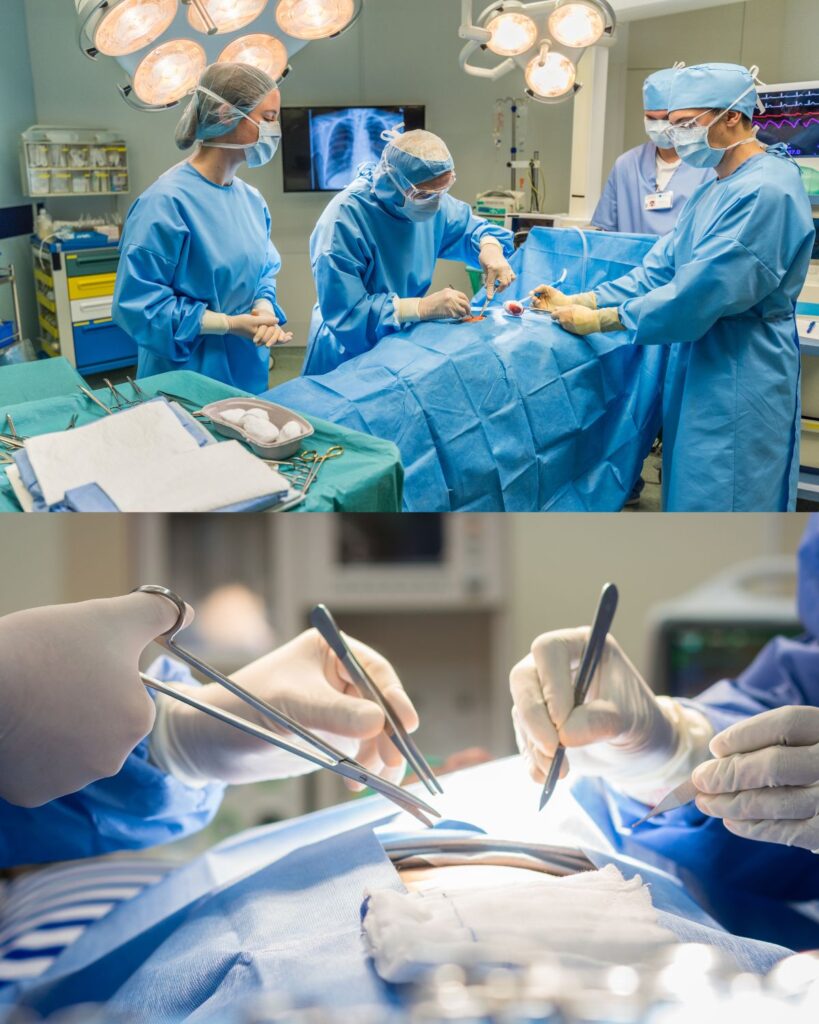
Visible health, regular gym visits, a clean diet, and normal vital signs can mask hidden danger lurking within our arteries. So why do people who appear healthy sometimes end up needing surgery to treat blocked arteries? The answer lies in the silent, insidious process of atherosclerosis and the limitations of routine health checks. Here’s what current research reveals.
1. Atherosclerosis Is Primarily Asymptomatic
- “Silent” progression: Atherosclerosis, the buildup of lipid-rich plaques in arterial walls, often goes unnoticed for decades. Our arteries undergo compensatory enlargement, in which the outer vessel wall expands to maintain flow despite plaque growth, concealing narrowing until the disease is advanced.
- Hidden until rupture: Many sudden cardiac events occur due to plaque rupture, which may not cause symptoms before triggering a clot and an artery blockage.
2. Routine Health Screenings Miss Most Plaques
- Limited scope: Standard checks (blood pressure, cholesterol, BMI) reveal risk factors, but not existing plaque.
- Stealthy plaques remain undetected: Research, such as the Miami Heart Study, found that nearly half of asymptomatic adults had detectable coronary plaque on CT scans.
- Weak correlation: Even individuals with normal cholesterol can harbor significant plaque due to inflammation, genetics, or arterial stiffening.
3. Inflammation & Genetics: The Invisible Drivers
- Inflammatory triggers: Chronic inflammation, releasing cytokines and oxidative agents, damages the endothelium (arterial lining), promoting LDL retention and plaque formation.
- Genetic predisposition:
- Familial hypercholesterolemia (FH) affects 1 in 250 people; they develop high LDL and early heart disease despite healthy habits.
- Newly identified genes, such as SVEP1, also contribute to plaque buildup, independent of cholesterol levels.
4. Emerging Non-Invasive Detection Tools
- Coronary Artery Calcium (CAC) scoring:
- A low-dose CT test that measures arterial calcification.
- A score of zero suggests low risk; higher scores indicate plaque presence and future risk—even in symptom-free individuals.
- Advanced imaging:
- CT-angiography, coronary ultrasound (IVUS), and carotid intima-media thickness (IMT) assessments detect vulnerable plaques at risk of rupture.
5. Beyond Coronary Arteries
- Peripheral Artery Disease (PAD):
- Up to 50% of PAD cases, where leg arteries are clogged, are asymptomatic. But they still carrya significant cardiovascular risk.
- Coronary artery anomalies:
- Rare congenital variations (<1%), such as misrouted arteries, can cause sudden cardiac ischemia or dangerous compression during exertion.
6. Risk Factors That Lie Beneath the Surface
Healthy habits matter, but underlying influences still raise risk:
- Age & gender: Aging stiffens arteries; men are at a higher early risk, though risk catches up for women post-menopause.
- High blood pressure: Increases endothelial damage and promotes plaque formation.
- Smoking, obesity, and diabetes: Each fosters inflammation, cholesterol imbalance, endothelial dysfunction, and vascular stiffness, even in people who seem otherwise healthy.
7. Why Some Sudden OR Cases Happen
Patients might develop heart attacks or require surgical interventions (like stenting or bypass) unexpectedly due to:
- Ruptured “vulnerable” plaque: A previously undetected plaque with a thin cap and large lipid core ruptures, leading to acute blockage.
- Slow but critical narrowing: Gradual stenosis may reach a threshold, causing angina on exertion; when severe, procedures become necessary.
- Genetic crashes: Genes like SVEP1 or FH may drive aggressive disease silently until surgical thresholds are met.
8. State-of-the-Art Treatments & Preventive Innovations
- Regrowth of arteries:
- Research is exploring molecules like CXCL12 to stimulate new artery growth, potentially bypassing the need for surgical bypass.
- Targeted therapies:
- Novel medications, including anti-inflammatory agents and FH-specific drugs (PCSK9 inhibitors), reduce plaque progression.
- Refined screening guidelines:
- CAC scans are recommended for adults aged 40–70 with risk factors. They help guide statin use or lifestyle intensification.
9. Strategies to Uncover Hidden Disease
- Identify high-risk groups:
- Family history (FH), high blood pressure, smoking, diabetes, and age ≥40 with risk factors.
- Use CAC scoring strategically:
- A simple, low-radiation CT scan that spots calcium early before symptoms emerge.
- Advanced imaging when warranted:
- CT angiography, ultrasound IMT, and even IVUS in specific cases.
- Biomarker analysis:
- Inflammatory markers (such as CRP) may flag high-risk individuals who need closer examination.
- Genetic screening:
- Especially for FH in those with high LDL early in life or a strong family heart disease history.
10. Integrated Prevention & Early Action
- Lifestyle first:
- Heart-healthy eating, regular exercise, smoking cessation, and weight control.
- Medication management:
- Statins, antihypertensives, aspirin (if indicated), and PCSK9 inhibitors for genetic high LDL.
- Ongoing monitoring:
- Regular check-ups, periodic CAC reassessment, and adjustments based on findings.
- Participate in research:
- Clinical trials (e.g., those at UCSF) are evaluating new treatments and imaging techniques.
11. Real-Life Examples & Why This Matters
- Middle-aged FH patients: One went to surgery for blocked arteries at 39, despite a clean lifestyle—thanks to an undiagnosed family history.
- The asymptomatic miracle: Nearly 50% of healthy adults harbor coronary plaque, many unaware until it causes serious problems.
- Valve disease surprise: A UK study found that 28% of “healthy” adults over 60 had valve issues, reinforcing the hidden burden of heart disease.
Key Takeaways
- Stone‑cold normal tests don’t guarantee clean arteries.
- Atherosclerosis is stealthy, often long maintained without symptoms.
- Advanced tools like CAC scans and CT‑angiography make a difference, especially in high‑risk but symptom‑free people.
- Inflammation and genetics often work behind the scenes.
- Early detection, combined with lifestyle, medical, and emerging therapies, can reduce the need for surgical intervention.
Final Thoughts

Just because someone looks healthy doesn’t mean their arteries are. Atherosclerosis can smolder beneath the radar, emerging only when dangerous plaques rupture or when narrowing becomes critical. Advances in genetics, inflammation research, and imaging (CAC, CT angiography, ultrasound IMT) now offer powerful ways to detect hidden disease early. But preventing the progression to blocked arteries and bypass surgery relies on a proactive, comprehensive approach, including lifestyle, medication, targeted scanning, and possibly cutting-edge treatments like CXCL12. The goal isn’t just to treat blockage in the OR—it’s to prevent it altogether.