

Unexplained shortness of breath is one of the most misunderstood symptoms I see patients struggle with. Many people assume it’s just aging, stress, anxiety, weight gain, or being out of shape. But when shortness of breath shows up without a clear reason, or doesn’t match your activity level, doctors take it seriously. And there’s a good reason for that.
Shortness of breath isn’t a diagnosis. It’s a signal. In medicine, we call it dyspnea, sometimes written as “disnea,” which simply means a subjective feeling of difficulty breathing. The medical definition of dyspnea sounds clinical, but the experience is very human: feeling like you can’t get enough air, that breathing takes effort, or that you’re constantly catching your breath when you shouldn’t be. This article explains shortness of breath in a clear, practical way, not medical jargon, not scare tactics, but real explanations based on how doctors actually think, evaluate, and treat this symptom.
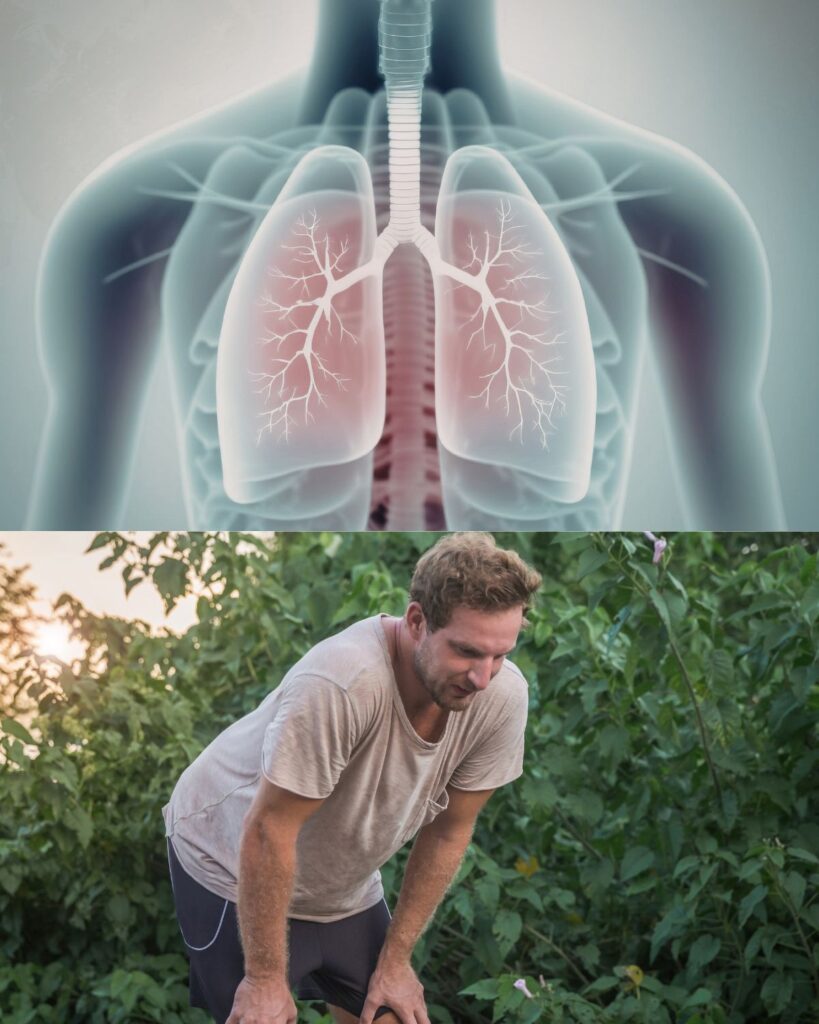
What Does Shortness of Breath Really Feel Like?
Shortness of breath can feel different from one person to another, which is why doctors often ask people to describe exactly what they are experiencing. Some people say they feel like they cannot get enough air into their lungs. Others describe it as struggling to take a full breath or as their breathing suddenly requiring more effort than it should. For some people, breathlessness feels like a constant sensation that their breathing isn’t normal, even when they are sitting or resting. Others notice it mainly during simple activities that normally wouldn’t cause any problem, like walking across a room, climbing a few stairs, or talking for a longer period of time.
Common ways people describe shortness of breath include:
- Feeling like air isn’t getting into the lungs properly
- A tight or heavy feeling in the chest
- Needing to breathe faster or take deeper breaths
- Getting winded very easily after minimal effort
- Difficulty breathing while talking or lying down
From a medical perspective, doctors pay close attention to these symptoms, especially when the symptoms are new, worsening, or have no obvious cause. Even if someone thinks they might simply be out of shape, unexplained breathing difficulty can sometimes be an early sign that something involving the lungs, heart, blood, or overall health needs to be evaluated.
What Is Dyspnea and Why Do Doctors Use the Term
Dyspnea is the medical term for shortness of breath. Instead of immediately assuming a cause, doctors use this term to describe the symptom itself while they investigate what might be behind it. In other words, dyspnea simply means someone is experiencing difficulty breathing or a feeling of not getting enough air.
Doctors use the term because shortness of breath can have many different causes. It might come from the lungs, the heart, blood conditions, infections, or even anxiety. Using the word dyspnea allows healthcare providers to focus on understanding what is happening in the body before jumping to conclusions. Doctors also pay close attention to how quickly the symptom appeared. Dyspnea is usually described in two main ways: Acute dyspnea, which comes on suddenly and may develop within minutes, hours, or a few days.
Chronic dyspnea, which develops slowly over weeks or months and may gradually worsen over time. Understanding when the breathing problem started is extremely important because the possible causes and level of risk can vary depending on whether the symptom appeared suddenly or developed gradually.
What Is the Most Common Cause of Shortness of Breath?
Many people ask doctors what the most common cause of shortness of breath is. The honest answer is that there isn’t just one single cause. It often depends on the person’s age, overall health, and when the breathing problem started.
In younger people, shortness of breath is often linked to conditions such as asthma, anxiety or panic attacks, respiratory infections like bronchitis or pneumonia, or even temporary illnesses that affect the lungs and airways. In older adults, doctors tend to look more closely at conditions involving the heart or lungs. Problems such as heart disease, chronic lung disease, or reduced lung function become more common with age and can lead to breathing difficulties.
One situation that doctors pay particular attention to is shortness of breath that happens during physical activity. Feeling slightly winded during intense exercise can be normal, but if someone suddenly becomes short of breath during activities that were previously easy or if the symptom worsens over time, it should be evaluated. Because shortness of breath can have many causes, doctors avoid assuming a cause too quickly. Instead, they look at symptoms, medical history, and sometimes tests to rule out serious conditions before deciding what is most likely responsible.
Shortness of Breath With Exertion: When It’s Not Just Fitness
Feeling out of breath during very intense exercise can be normal, especially if someone is pushing their limits or hasn’t been active for a while. However, shortness of breath during everyday physical activity can become concerning when it feels different from what a person normally experiences. Doctors start paying closer attention when someone notices that activities they used to handle easily suddenly leave them breathless. For example, if walking a short distance feels exhausting, climbing a single flight of stairs leaves you struggling to catch your breath, or your breathing takes much longer than usual to return to normal after mild activity, it may signal that something else is going on.
Some warning signs include:
- You become breathless doing activities that never caused problems before
- Walking short distances suddenly feels tiring or difficult
- Climbing one flight of stairs leaves you unusually winded
- It takes much longer than before to catch your breath after an activity
When this type of change happens, doctors look beyond simple fitness levels. Shortness of breath with exertion can sometimes be related to underlying conditions such as heart disease, lung disease, anemia (low red blood cells), or early signs of heart failure. That’s why a noticeable change in how your body responds to normal activity should not be ignored.out of shape.
Shortness of Breath That Comes and Goes
Shortness of breath that comes and goes can be especially confusing for people. Many assume that if the symptom isn’t constant, it must not be serious. However, doctors know that intermittent breathing problems can still have important underlying causes. Intermittent breathlessness means the feeling of being short of breath occurs at certain times, not all the time. Some people may notice it during exercise, during periods of stress, or when certain triggers are present.
Common causes of shortness of breath that come and go include:
- Asthma, particularly exercise-induced asthma or asthma triggered by allergies
- Anxiety or panic attacks, which can cause sudden episodes of rapid or difficult breathing
- Acid reflux, which can sometimes irritate the airways and create breathing discomfort
- Heart rhythm disturbances, where the heart beats irregularly, affect how efficiently blood circulates
- Early stages of lung disease, where symptoms may appear only occasionally at first
One important point doctors emphasize is that symptoms that come and go should not be automatically dismissed. If episodes of breathlessness are happening more often, becoming more intense, or lasting longer than before, it may be a sign that the underlying problem is progressing and should be evaluated.
How to Tell If Shortness of Breath Is From Anxiety
Shortness of breath caused by anxiety can feel very real and frightening, even though the lungs and heart may be physically healthy. When someone is anxious or having a panic attack, the body’s stress response can cause rapid breathing, chest tightness, and the feeling that it’s hard to get enough air.
Anxiety-related breathlessness often appears suddenly during moments of stress, worry, or emotional distress. It may also be accompanied by other symptoms such as a racing heart, dizziness, sweating, tingling in the hands or face, or a feeling of panic. Doctors look for certain patterns that may suggest anxiety is contributing to breathing symptoms. For example, the breathing difficulty may improve when the person calms down, practices slow breathing, or removes themselves from a stressful situation. In many cases, tests of the heart and lungs come back normal.
However, doctors are careful not to assume anxiety is the cause too quickly. Because shortness of breath can also signal conditions involving the heart, lungs, blood, or circulation, medical professionals usually rule out those possibilities first. If symptoms are frequent, severe, or interfering with daily life, it’s important to have them properly evaluated.
How Can You Tell If Shortness of Breath Is From the Heart or Lungs?
When someone experiences ongoing shortness of breath, one of the main questions doctors try to answer is whether the problem is coming from the heart or the lungs. Both organs work closely together to deliver oxygen throughout the body, so issues with either system can lead to breathing difficulties. To help narrow down the cause, doctors pay close attention to patterns in the symptoms and other changes happening in the body.
Signs that shortness of breath may be related to the heart can include:
- Chest pain or pressure along with breathing difficulty
- Swelling in the legs, feet, or ankles
- Shortness of breath when lying flat in bed
- Waking up suddenly at night, feeling like you can’t breathe
- Feeling unusually tired or breathless during normal daily activities
Heart-related breathing problems often cause fatigue because the heart may not be pumping blood efficiently enough to deliver adequate oxygen to the body’s tissues. When this happens, even simple activities like walking, climbing stairs, or doing household tasks can feel much more exhausting than usual. Doctors use a person’s symptoms, medical history, physical examination, and sometimes tests such as heart imaging or lung function tests to determine whether the breathing problem is more likely due to the heart or the lungs.
Lung-related breathing problems
- Wheezing
- Persistent cough
- Chest tightness
- Shortness of breath with exertion
- Difficulty taking a deep breath
Sometimes heart and lung issues overlap, which is why testing is essential.
Sudden Shortness of Breath: A Medical Red Flag
Sudden shortness of breath is something doctors always take seriously. Breathing should normally feel effortless, so when someone suddenly feels like they cannot get enough air, it can be a sign that something important is happening in the body. There are several medical conditions that can cause breathing difficulty to appear quickly. Some of the more serious possibilities doctors consider include a heart attack, a pulmonary embolism (a blood clot in the lungs), a severe asthma attack, pneumonia, a collapsed lung, or a dangerous heart rhythm that affects how the heart pumps blood.
Because some of these conditions can become life-threatening very quickly, doctors pay close attention to other symptoms that appear alongside the breathing problem. Sudden shortness of breath becomes especially concerning when accompanied by symptoms such as dizziness, chest pain, confusion, or lips and fingertips turning blue. These signs may mean that the body is not getting enough oxygen. When shortness of breath appears suddenly and is accompanied by symptoms like these, it should be treated as a medical emergency and evaluated immediately.
Sudden Shortness of Breath While Sleeping
Waking up suddenly at night, feeling like you can’t breathe or gasping for air, is not considered normal. While occasional sleep disturbances can happen, repeatedly waking up feeling breathless can signal that something in the body is affecting breathing during sleep. Doctors pay close attention to this symptom because certain heart, lung, or airway conditions can become more noticeable when someone is lying flat or asleep. In some cases, the body struggles to deliver oxygen efficiently at night, which can cause a person to wake up abruptly, gasping for breath.
Several conditions can lead to shortness of breath during sleep. Heart failure can cause fluid to build up in the lungs when a person lies down, making breathing more difficult. Sleep apnea is another common cause, where breathing repeatedly stops and starts during sleep. Acid reflux can also irritate the airways and sometimes trigger spasms that make breathing feel suddenly restricted. If someone experiences repeated episodes of waking up gasping for air or feeling severely short of breath at night, it should not be ignored. Ongoing nighttime breathing problems are a sign that a medical evaluation is important to determine the underlying cause and prevent complications.
Shortness of Breath When Talking
Shortness of breath while talking can be an important warning sign that doctors take seriously. Normally, breathing and speaking work together smoothly, so if someone becomes breathless just from talking or has trouble finishing sentences without stopping to catch their breath, it may indicate that the body is struggling to get enough oxygen. When breathing becomes difficult during simple activities like speaking, it can sometimes point to underlying health problems that affect how oxygen moves through the body.
Doctors may consider several possible causes, including:
- Low oxygen levels in the blood
- Advanced lung diseases that make it harder for the lungs to exchange oxygen
- Heart failure, where the heart cannot pump blood efficiently enough
- Neuromuscular conditions that weaken the muscles involved in breathing
Feeling winded after intense exercise can be normal, but being unable to speak comfortably without becoming short of breath is not usually explained by poor fitness alone. If someone frequently struggles to finish sentences due to breathing difficulties, they should be evaluated by a medical professional.
Breathing Problem Causes Doctors to Evaluate Carefully
Breathing problems can have many causes, which is why doctors take a careful, systematic approach when evaluating someone with shortness of breath. Instead of assuming a single explanation, they look at several body systems that could affect how oxygen moves through the body.
In general, doctors consider a few major categories when trying to understand why someone is having difficulty breathing. One common group of causes involves lung diseases. Conditions that affect the lungs or airways can make it harder for oxygen to enter the bloodstream. Doctors also evaluate the heart, because heart disease can reduce the body’s ability to circulate oxygen-rich blood efficiently.
Blood disorders are another possibility. For example, conditions like anemia can reduce the blood’s ability to carry oxygen, which may cause a person to feel breathless even with mild activity. Doctors may also consider anxiety or panic attacks as a potential cause, but usually only after medical causes related to the heart, lungs, or blood have been ruled out. Finally, neuromuscular conditions that weaken the muscles involved in breathing can sometimes contribute to breathing difficulties.
Many patients simply describe their symptoms as breathing issues, breathing problems, or trouble breathing. However, behind the scenes, doctors use a structured evaluation to determine the exact cause and rule out more serious conditions.
Chronic Dyspnea: When Symptoms Develop Slowly
Chronic dyspnea is the medical term doctors use for shortness of breath that develops gradually over weeks or months. Because the change happens slowly, many people don’t notice it right away. Instead, they may slowly adjust their activities without realizing that their breathing has become more difficult.
For example, someone might begin avoiding stairs, walking shorter distances, or taking more breaks during everyday tasks. Since these changes happen gradually, the underlying breathing problem can sometimes go unnoticed for quite a while. Several conditions can cause chronic shortness of breath. Common examples include chronic obstructive pulmonary disease (COPD), pulmonary fibrosis (scarring of the lungs), and heart failure, all of which can affect how well oxygen moves through the body. Other causes, such as anemia, which reduces the blood’s ability to carry oxygen, or obesity-related breathing problems, can also contribute.
Even though the symptoms develop slowly, that does not mean the condition is harmless. Gradual changes in breathing can still reflect serious health issues, which is why persistent or worsening shortness of breath should always be evaluated by a healthcare professional.
Shortness of Breath and Tiredness: A Common Combination
When shortness of breath and unusual tiredness happen at the same time, doctors pay close attention. These two symptoms together often suggest that the body may not be getting or delivering oxygen as efficiently as it should. Normally, oxygen travels from the lungs into the bloodstream and is then pumped by the heart to the rest of the body. When something interferes with that process, people may feel both breathless and unusually fatigued, even during activities that normally wouldn’t cause much strain.
Several conditions can lead to this combination of symptoms. Doctors often consider heart disease, where the heart cannot pump blood effectively enough to meet the body’s needs. Anemia is another common possibility, since low red blood cell levels reduce the blood’s ability to carry oxygen. Lung diseases can also limit how well oxygen enters the bloodstream, while sleep disorders such as sleep apnea may cause poor oxygen levels and disrupted sleep, leading to daytime fatigue. When fatigue accompanies shortness of breath, it can be a sign that the body is working harder than usual to supply oxygen to the muscles and organs. Because of this, doctors often investigate both symptoms carefully to determine the underlying cause.
How Doctors Diagnose Shortness of Breath
When someone reports shortness of breath, doctors begin with a careful evaluation to determine what might be causing it. Because breathing problems can come from many different conditions involving the heart, lungs, blood, or even the nervous system, the goal is to gather enough information to narrow down the possible causes.
The first step is usually a detailed medical history. Doctors ask when the shortness of breath started, whether it occurs during activity or at rest, how quickly it developed, and whether it is getting worse over time. They also ask about related symptoms such as chest pain, coughing, leg swelling, fatigue, or dizziness. Next comes a physical examination. During this exam, doctors listen to the heart and lungs, check oxygen levels, evaluate breathing patterns, and look for signs such as swelling, abnormal heart rhythms, or changes in skin color that might indicate low oxygen levels.
If more information is needed, doctors may order tests to better understand what is happening inside the body. These tests can include blood tests, chest imaging such as a chest X-ray or CT scan, lung function tests, heart tests such as an electrocardiogram (ECG) or echocardiogram, and measurements of blood oxygen levels. By combining the medical history, physical exam, and test results, doctors can determine whether the breathing problem is related to the lungs, the heart, blood circulation, or another underlying condition.
How to Treat Shortness of Breath in Elderly Patients
Treating shortness of breath in older adults always depends on identifying the underlying cause. Age by itself does not cause breathing problems. In most cases, shortness of breath results from a medical condition affecting the heart, lungs, blood, or overall health, and treatment focuses on addressing that specific problem.
Doctors first determine the cause of the breathing difficulty and then create a treatment plan based on that diagnosis. The goal is to improve breathing, increase oxygen delivery to the body, and help patients maintain their daily activities and quality of life. Treatment may include several approaches depending on the condition involved. Medications may be adjusted or prescribed to treat heart or lung diseases that affect breathing. Some patients may benefit from oxygen therapy if their blood oxygen levels are too low.
Pulmonary rehabilitation is another option often recommended for people with chronic lung conditions. These programs combine supervised exercise, breathing techniques, and education to help patients improve lung function and stamina.
If the shortness of breath is related to heart disease, specific cardiac treatments may be needed to help the heart pump blood more effectively. In other cases, doctors may treat anemia, infections, or other underlying conditions that reduce the body’s ability to carry or use oxygen. The key point is that shortness of breath in elderly patients should never be dismissed as simply part of aging. Identifying and treating the underlying condition is essential for improving breathing and overall health.
Short of Breath Treatment: No One-Size-Fits-All
There is no single treatment that works for every case of shortness of breath. Because breathing problems can have many causes, treatment must always be based on the underlying condition responsible for the symptoms. Doctors first focus on identifying the cause of the breathing difficulty. Once the cause is clear, treatment is directed specifically at that problem.
For example, people with asthma or certain lung conditions may benefit from inhalers that help open the airways and make breathing easier. If the breathing problem is related to heart disease, medications may be used to help the heart pump blood more effectively and improve circulation.
When the lungs cannot provide enough oxygen to the body, oxygen therapy may be needed to maintain normal oxygen levels. If anxiety or panic attacks are contributing to the breathing symptoms, doctors may recommend stress management techniques, breathing exercises, therapy, or other appropriate treatments. Because the causes of shortness of breath can vary widely, failing to obtain a proper diagnosis can lead to delayed or incorrect treatment. Identifying the exact reason for the breathing problem is the most important step toward effective care.
Final Thoughts
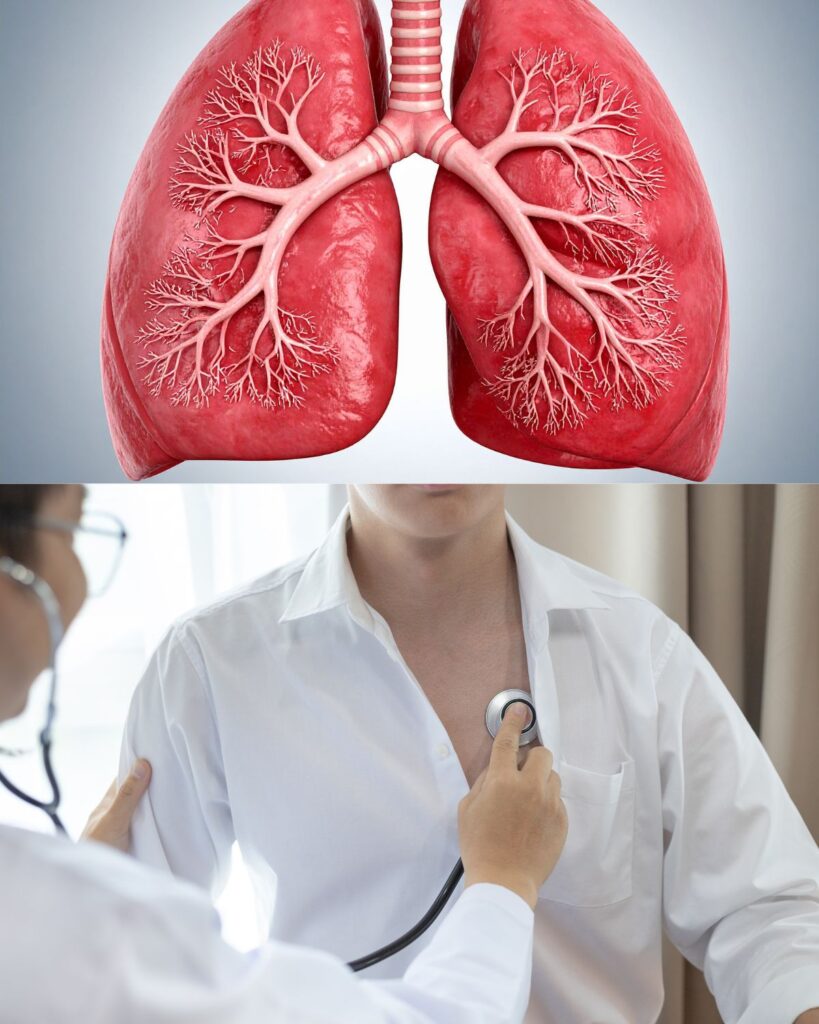
Breathing is not something you should struggle with. Unexplained shortness of breath is your body asking for attention, not criticism, not dismissal, not assumptions.
If you’re experiencing:
- Feeling out of breath without reason
- Shortness of breath during simple tasks
- Catching breath constantly
- Ongoing breathing problem symptoms
Unexplained shortness of breath is your body’s way of asking for attention, not something to brush off or push through. While being out of shape can contribute to how easily you get winded, breathlessness that feels new, unusual, or disproportionate to your activity should be evaluated. Doctors pay attention to these patterns because shortness of breath can be one of the earliest signs of heart, lung, or circulation issues, and catching problems early often makes treatment simple.