
I’ve worked in surgery for over two decades, and I’ll tell you something that surprises a lot of people: most heart attacks don’t start with dramatic chest-clutching pain as you see in movies.
They often start quietly. Subtly. And because of that, many people ignore the early heart attack warning signs, or explain them away as stress, aging, heartburn, or being “out of shape.” This is one of the reasons heart attacks are still so dangerous. People don’t realize what’s happening until it’s already serious. Let’s talk about the early heart attack warning signs doctors see all the time, and why they’re so easy to miss.
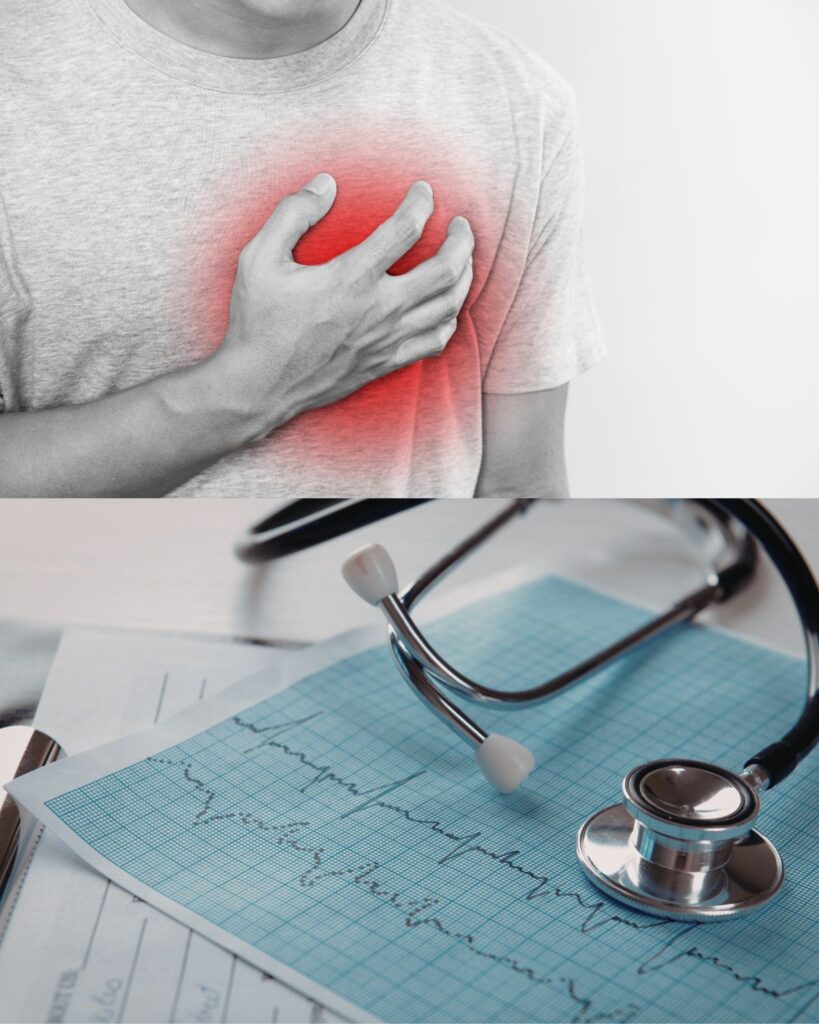
Chest Discomfort (Not Always “Pain”)
This is the big one, but it doesn’t always feel like sharp pain. Many patients describe:
- Pressure
- Tightness
- Heaviness
- A squeezing or “full” feeling
Some people say it feels like an “elephant” is sitting on their chest. Others think it’s indigestion or acid reflux. Important detail: chest discomfort can come and go. If it eases up, people assume it wasn’t serious. That is a mistake. If chest discomfort shows up during activity, stress, or even mild exertion, and improves with rest, that’s a red flag.
Shortness of Breath That Feels “Off.”
Shortness of breath is one of the most commonly ignored early warning signs of a heart attack.
People often say:
- “I’m just out of shape.”
- “I’m tired.”
- “I’m stressed.”
- “It’s anxiety.”
But if you suddenly feel winded doing things that never used to bother you, walking upstairs, carrying groceries, even getting dressed, your heart may not be pumping effectively. Shortness of breath can happen with or without chest discomfort, especially in women.
Pain That Spreads(Jaw, Neck, Back, Arm)
Heart-related pain doesn’t always stay in the chest. It can spread to:
- The left arm (most common)
- Both arms
- The jaw
- The neck
- The upper back
- The shoulder blades
People often think jaw or neck pain is dental, muscle tension, or sleeping wrong. But when this pain appears with exertion, stress, or other symptoms, it matters.
Unusual Sudden Tiredness
This is especially common in women, and very often ignored. I’ve seen patients say:
- “I felt exhausted for days.”
- “I couldn’t explain why I was so wiped out.”
- “I just felt weak.”
This isn’t normal end-of-day tiredness. It’s deep, unusual fatigue that doesn’t match your level of activity. If you suddenly feel drained while doing basic tasks, your heart may be struggling before a major event.
Unexplained Nausea and Stomach Pain
Heart attacks don’t always feel like a heart problem. Some people experience:
- Nausea
- Vomiting
- Upper stomach pain
- A burning or pressure sensation that feels like heartburn
This is why heart attacks are sometimes mistaken for GI issues. If stomach discomfort happens along with sweating, chest pressure, or shortness of breath, it should never be brushed off.
Cold Sweats or Lightheadedness
Breaking out into a cold sweat for no clear reason is not normal. Neither is:
- Feeling dizzy
- Feeling faint
- Feeling like you might pass out
These symptoms can mean your heart isn’t delivering enough blood and oxygen to your body.
Out-of-the-Ordinary Symptoms
One thing I always tell patients: Trust Your Instincts! If something feels off, different from your usual stress, anxiety, or physical discomfort, pay attention to it. Many patients later say, “I knew something wasn’t right, but I didn’t want to overreact.” Overreacting is walking into the ER and being told you’re fine. Underreacting can cost you your life.
Why Early Heart Attack Signs Are Ignored
I see the same reasons over and over:
- They don’t want to bother anyone
- They don’t want to seem dramatic
- They’re busy
- They assume they’re “too young.”
- They think heart attacks only happen to men
None of that protects you. Heart disease doesn’t care how busy you are, how fit you look, or how young you feel.
When to Seek Help Immediately
Call emergency services right away if you experience:
- Chest discomfort lasting more than a few minutes
- Symptoms that come and go
- Chest symptoms plus shortness of breath, sweating, nausea, or arm/jaw pain
Do not drive yourself. Do not wait it out. Do not Google for an hour. Early treatment saves heart muscle and saves lives.
Final Thoughts
After years in surgery, one thing has become very clear to me: heart attacks almost never come out of nowhere. Most patients had early warning signs of heart attack symptoms long before the actual event. The body tries to alert you. The problem is that those signals are often quiet, confusing, or easy to dismiss.
People tend to ignore mild heart attack signs because they don’t match what they expect. There’s no dramatic collapse, no crushing pain every time. Instead, it’s fatigue that doesn’t make sense, shortness of breath that’s new, discomfort that comes and goes, or symptoms that feel more like stress or indigestion. These early heart attack warning signs, especially in women, are some of the most commonly overlooked. If there’s one message I want patients to hear, it’s this: you are never wasting anyone’s time by getting checked. In medicine, we would much rather tell you everything is fine than meet you too late. Waiting to see if symptoms pass is one of the most dangerous decisions people make when it comes to heart attack warning signs.
This is especially important for women. Heart attack symptoms in women often look different than what we’ve been taught, which is why signs of a female heart attack are frequently missed or misinterpreted. Men, on the other hand, may experience more classic symptoms but still delay care, assuming they can push through it. Both approaches can be life-threatening. Listen to your body. Take symptoms seriously. And if something doesn’t feel right, trust that instinct and seek help. When it comes to your heart, acting early isn’t being dramatic; it’s being smart.